Understanding High Blood Pressure: Causes, Classifications, Symptoms, and Natural Ways to Control It
Learn what causes high blood pressure, how it’s classified, and the most effective natural ways to control hypertension through diet, lifestyle, and daily habits.
HEALTH & AWARNESS
Tapas Kumar Basu
12/3/20256 min read


High blood pressure, or hypertension, is one of the most silent yet deadly health concerns of the modern age. It affects more than a billion people worldwide, according to the World Health Organization (WHO, 2023), and continues to rise due to lifestyle, stress, and dietary changes.
The frightening truth is that most people do not even realize they have it until serious complications appear. This article explores what high blood pressure actually is, why it develops, how it affects the body, and most importantly, how we can control and manage it naturally through a combination of science and balanced living.
What Is High Blood Pressure?
Blood pressure is the force exerted by circulating blood against the walls of the arteries. It’s measured in two numbers:
Systolic pressure (upper number): pressure when the heart beats.
Diastolic pressure (lower number): pressure when the heart rests between beats.
A normal reading is typically below 120/80 mm Hg. When either number stays elevated over time, it means the heart is working harder than it should, and the arteries are under stress.
When this pressure stays consistently higher than normal, it is called hypertension. A healthy heart pumps blood efficiently, but when the arteries become narrowed or the heart works too hard, the pressure rises.
The American Heart Association (AHA, 2022) defines normal blood pressure as less than 120/80 mm Hg. Any persistent reading above this range signals a possible concern.
Classifications of Blood Pressure
According to the AHA and European Society of Cardiology (ESC, 2023), blood pressure is classified as follows:
These stages help physicians and individuals understand the severity and necessary interventions.
Types of Hypertension
1. Primary (Essential) Hypertension
This type develops gradually over years without a single identifiable cause. It’s influenced by genetics, age, dietary salt intake, obesity, stress, and lack of physical activity.
About 90–95% of cases belong to this group. It can be well managed through balanced living.
2. Secondary Hypertension
This type is caused by conditions like kidney disease, thyroid imbalance, sleep apnea, or certain medications. Treating the cause can often normalize blood pressure.
Once the root cause is treated, blood pressure often returns to normal levels — making secondary hypertension potentially reversible.
3. Special Forms
Isolated Systolic Hypertension: Only the upper number is high, common in older adults.
White-Coat Hypertension: Readings rise temporarily in medical settings due to nervousness.
Masked Hypertension: Appears normal in clinics but elevated at home.
Resistant Hypertension: Persists despite multiple medications.
How Does High Blood Pressure Develop?
Hypertension results from multiple interacting factors:
1. Genetic Predisposition
Family history increases risk.
2. Unhealthy Lifestyle
A diet high in salt, sugar, fat, and processed foods; lack of physical activity; smoking; and alcohol consumption all contribute.
3. Stress
Chronic stress elevates cortisol and adrenaline, hormones that constrict blood vessels and increase heart rate.
4. Obesity
Excess body fat increases vascular resistance and hormonal imbalance.
5. Age
As people age, arteries naturally lose elasticity, leading to higher resistance and pressure.
6. Poor Sleep and Sedentary Habits
Sleep apnea, poor sleep hygiene, and long sitting hours disturb normal blood flow and oxygen balance, raising blood pressure.
How High Blood Pressure Affects the Body
Hypertension is often called the “silent killer” because it damages internal organs without obvious symptoms.
Over time, it affects:
Heart — leading to heart attack, heart failure, or arrhythmia.
Brain — causing stroke, memory loss, or cognitive decline.
Kidneys — leading to kidney failure.
Eyes — resulting in blurred vision or blindness.
Studies published in The Lancet (2020) show that uncontrolled high blood pressure increases the risk of premature death by 45%.
Symptoms and Hidden Signs
Most people experience no symptoms — that’s why hypertension is dangerous.
When symptoms do appear, they may include:
Morning headaches
Fatigue or breathlessness
Blurred vision
Chest discomfort
Nosebleeds (in severe cases)
By the time these symptoms occur, organ damage may already be underway. Regular monitoring is essential.
Why Medicine Alone Cannot Cure Hypertension Permanently
Modern drugs (ACE inhibitors, beta-blockers, diuretics) control blood pressure effectively, but they do not treat the underlying causes.
Harvard Health Publishing (2023) and Mayo Clinic (2023) both emphasize that lifestyle modification provides longer-lasting benefits. Without addressing diet, stress, and inactivity, hypertension becomes a lifelong dependency.
Natural and Dietary Approaches to Hypertension
The Foundation of Healing: Diet
Diet plays a central role. Research shows that meat and eggs tend to raise blood pressure more than many other foods.
In contrast, fruits and vegetables lower pressure and reduce blood clotting by improving vascular elasticity. A natural diet rich in fresh produce, low in protein, and devoid of flesh foods helps remove accumulated toxins from the body.
A hypertension patient can begin recovery with a short fruit-based regimen — consuming oranges, apples, pears, mangoes, guavas, pineapples, raspberries, or watermelon at five-hour intervals. Milk may be introduced after a week, boiled only once and taken fresh. Light cereals can follow after two weeks.
Why Excess Protein Raises Blood Pressure
Food protein replenishes body tissues, but after age 40 — especially for people with low physical activity — excess protein, particularly from meat, becomes a burden.
The body cannot store protein, so surplus protein breaks down into nitrogenous wastes like urea. This forces the liver and kidneys to work harder, weakening them over time.
As contaminated blood circulates, the arteries harden, restricting normal blood flow. The heart then must pump with greater force — leading to chronic hypertension.
Vegetables, Fruits, and Natural Remedies
Raw vegetables such as cucumber, cabbage, spinach, carrot, and radish are highly beneficial and should be eaten fresh with lemon and a pinch of salt.
Garlic: A natural vasodilator that relaxes arteries.
Amla: Provides vitamin C and protects blood vessels.
Lemon: Strengthens capillaries and improves flexibility.
Watermelon: Contains compounds that dilate blood vessels.
Potassium-rich foods (bananas, citrus fruits, leafy greens) and calcium from dairy products also support healthy blood pressure.
Other Natural and Lifestyle Strategies
1. Physical Activity: 30 minutes of walking, yoga, or cycling daily.
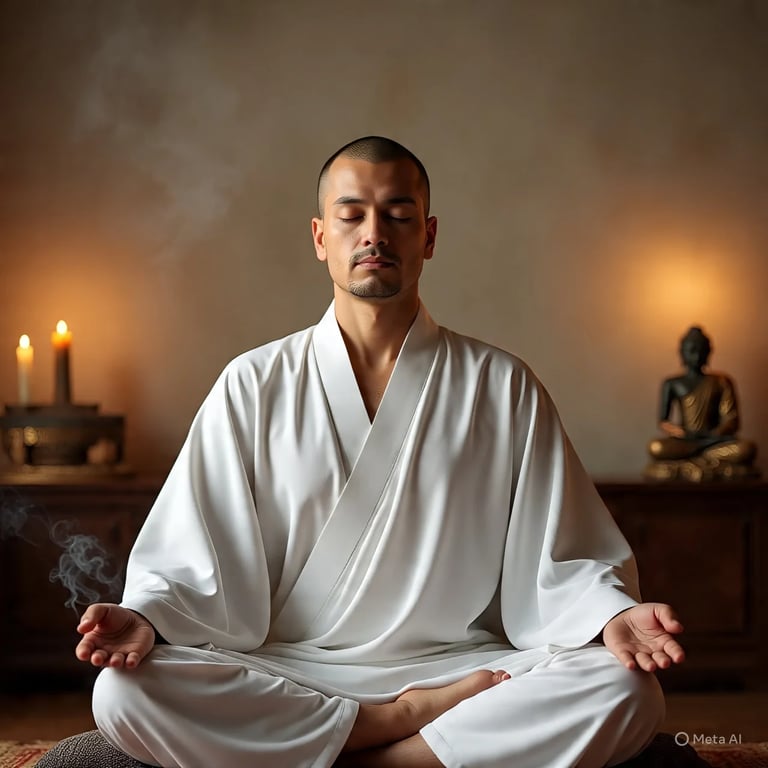
2. Stress Management: Meditation, breathing exercises, nature time.
3. Adequate Sleep: 7–8 hours for hormonal balance.
4. Weight Control: Losing 5–10% body weight can reduce systolic pressure by 10 mm Hg.
5. Quit Smoking & Limit Alcohol: Both constrict arteries.
6. Reduce Digital Overload: Helps calm the nervous system.
The Mind–Body Connection
Hypertension is not only a physical disorder but also an emotional one. Anxiety, fear, and social isolation often raise blood pressure levels.
Research from the American Psychological Association (APA, 2022) shows that emotional stress can trigger elevated blood pressure responses even in healthy adults.
Mindfulness, social connection, and emotional regulation are therefore essential components of healing.
Integrating Ayurveda and Modern Science
Ayurveda views high blood pressure as an imbalance of body energies. Herbs like ashwagandha, triphala, and arjuna support calmness and circulatory health.
A 2021 study in the Journal of Ayurveda and Integrative Medicine found that ashwagandha extract helps regulate stress hormones naturally.
The Role of Awareness and Self-Monitoring
Awareness is the first medicine. Regular home monitoring, as recommended by the World Hypertension League (2023), helps detect changes early.
Adults over 35 should check their blood pressure at least twice a month.
Final Reflection
High blood pressure is not merely a medical condition; it reflects our lifestyle, mindset, and daily rhythm.
The solution lies not only in tablets but in transforming how we eat, sleep, breathe, and think. When science meets awareness, healing becomes complete.
By nurturing balance in every aspect of life, we can turn hypertension from a lifelong burden into a manageable — even reversible — condition.
Frequently Asked Questions (FAQs)
1. Can high blood pressure be reversed naturally?
By adopting a balanced lifestyle reducing salt and animal protein intake, maintaining a plant-rich diet, exercising regularly, and managing stress, blood pressure can often return to a normal range. However, individuals on medication should never discontinue treatment without consulting their physician.
2. What fruits and vegetables help lower blood pressure fastest?
Fruits like oranges, guavas, apples, watermelons, and pineapples are rich in potassium and antioxidants that relax blood vessels. Vegetables such as spinach, cucumber, and cabbage also contain magnesium and nitrates, which promote healthy circulation.
3. Is it safe to stop medication if blood pressure improves?
No, stopping medication suddenly can be dangerous. Even if your blood pressure normalizes through diet and lifestyle, any change in medication should only be made under a doctor’s supervision. Gradual reduction with medical guidance ensures stability and safety.
4. How does stress raise blood pressure?
Chronic stress activates hormones like cortisol and adrenaline, which constrict arteries and raise heart rate. Over time, this keeps blood pressure elevated. Relaxation techniques such as deep breathing, mindfulness meditation, and spending time in nature help regulate these hormonal effects.
5. Does drinking water help control hypertension?
Yes, adequate hydration supports kidney function and helps maintain the body’s fluid and sodium balance. However, excessive water intake without salt balance can be counterproductive. The key is moderation — about 2 to 2.5 liters per day for most adults, unless medically restricted.
6. Can yoga or meditation really lower blood pressure?
Yes. Multiple clinical studies (including those published in the Journal of Hypertension, 2022) confirm that yoga, pranayama (breathing exercises), and mindfulness meditation can significantly reduce both systolic and diastolic pressure by lowering stress hormone activity and improving vascular relaxation.
7. Can natural remedies like garlic or amla replace medical treatment?
Natural remedies such as garlic, amla (Indian gooseberry), and lemon have scientifically supported benefits for improving blood circulation, reducing cholesterol, and mildly lowering blood pressure. However, they should be viewed as complementary — not replacements for prescribed medication.
References
World Health Organization (2023). Hypertension Factsheet.
American Heart Association (2022). Guidelines for the Management of High Blood Pressure.
The Lancet (2020). Global Burden of Hypertension.
Harvard Health Publishing (2023). Lifestyle Changes and Heart Health.
Mayo Clinic (2023). High Blood Pressure: Diagnosis and Treatment.
CDC (2023). Weight Management and Blood Pressure Control.
Johns Hopkins Medicine (2021). Exercise and Blood Pressure.
American Psychological Association (2022). Stress and Cardiovascular Response.
Journal of Ayurveda and Integrative Medicine (2021). Herbal Approaches to Hypertension.
Explore fitness, meditation, and healthy living tips.
© 2026. All rights reserved.